Okay, folks, let’s talk about something that’s making waves in the tech world – the recent Amazon AI restructuring at, well, you guessed it, Amazon. We’re not just talking about a minor reshuffle; this involves a significant 30,000 job cuts. Now, I know what you might be thinking: “Big company, big changes, happens all the time.” But here’s the thing – this isn’t just another corporate adjustment. This is a seismic shift that hints at something bigger, something that could affect the future of AI development and potentially, your career if you’re anywhere near this space.
Why the Axe? Decoding the Layoff Logic
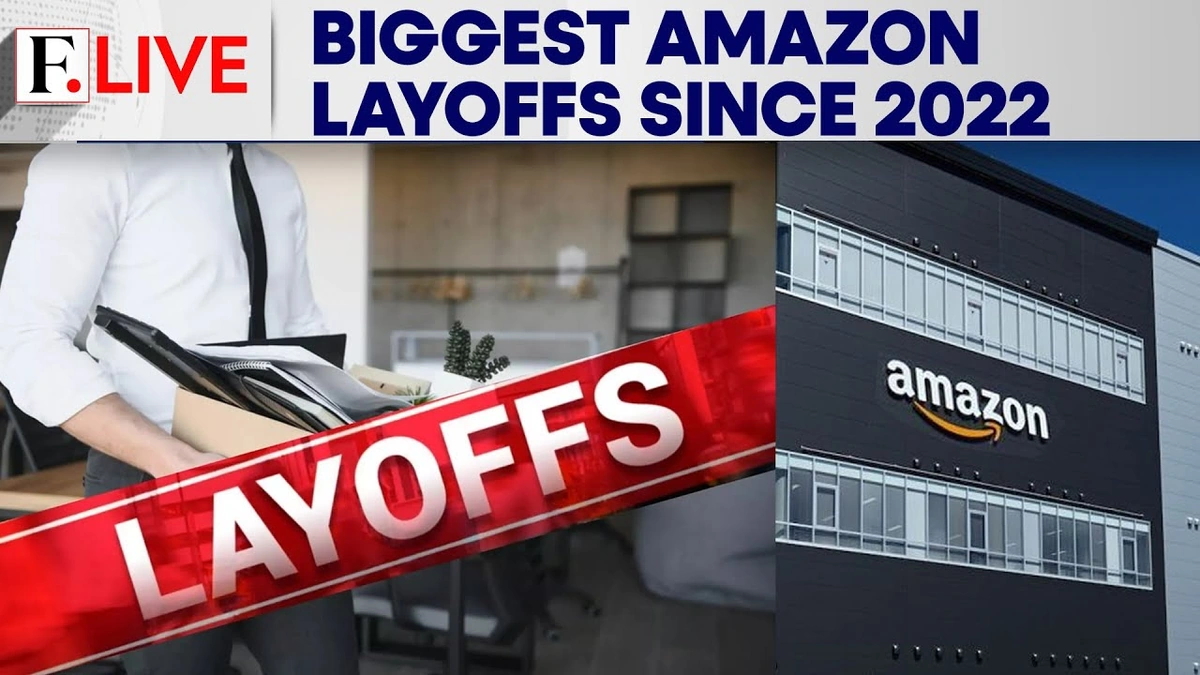
So, why the massive layoffs ? Let’s be honest, companies rarely give the full picture. They’ll talk about “streamlining” and “increased efficiency,” which are fancy words for cutting costs and focusing on more profitable ventures. But there’s often more beneath the surface. One key factor is likely the shift in AI strategy. We all know about the generative AI boom, thanks to OpenAI and others. Amazon, while having some good AI solutions, might be pivoting, streamlining its AI investment to be a bigger player in the generative AI space. In other words, they might be betting on fewer, but more impactful, projects.
Another reason could be tied to the current economic climate. Interest rates are up, and investors are getting impatient for returns. Companies are under pressure to show profitability, and one of the quickest ways to do that is to reduce headcount. This is especially true for long-term projects, like many AI initiatives, where the payoff can take years.
And then there’s the internal politics angle. Always fun, right? Sometimes, big reorganizations are less about pure strategy and more about power plays within the company. A new executive might want to put their stamp on things, or a certain department might have lost favor. It’s all part of the corporate game, I suppose.
The Ripple Effect | How This Impacts You (and the Indian Tech Scene)
Okay, so Amazon’s cutting jobs. Why should you, sitting in India, care? Well, here’s the deal. The global tech market is interconnected. A major move by a behemoth like Amazon sends ripples across the entire industry, including the Indian tech scene.
Firstly, there’s the talent pool. 30,000 experienced AI professionals are suddenly looking for new opportunities. Some of them may target the Indian market, increasing competition for local talent. For Indian companies, this can be an opportunity to hire some world-class people. But it also means that local talent will need to be better to keep up.
Secondly, it impacts the artificial intelligence sector investment landscape. If Amazon is pulling back on certain AI projects, other companies might follow suit. This could lead to a slowdown in overall AI investment, at least temporarily. However, it could also create opportunities for smaller, more agile startups to fill the void. India, with its vibrant startup ecosystem, could benefit from this shift.
Thirdly, it can impact the overall direction of AI development. Amazon’s moves are closely watched by the rest of the industry. If they shift their focus to generative AI, others will likely follow. This could accelerate the development of certain AI technologies while others get left behind. The Tata Trust Split may indirectly affect some of the skills needed, which is an other can of worms.
What You Can Do | Riding the Wave, Not Getting Crushed
So, what can you do to navigate this changing landscape? Here’s my take, based on my own experience and observation:
- Upskill, Upskill, Upskill: The AI field is evolving at lightning speed. If you’re not constantly learning new skills, you’ll be left behind. Focus on areas that are in demand, such as generative AI, machine learning, and data science.
- Network Like Crazy: Attend industry events, join online communities, and connect with people in the field. You never know where your next opportunity might come from.
- Be Adaptable: The ability to adapt to change is more important than ever. Be willing to learn new technologies, take on new roles, and move to new companies if necessary.
- Focus on Value: Companies are looking for people who can deliver real value. Focus on building skills that are in demand and on demonstrating your ability to solve real-world problems.
Remember, the tech industry is always in flux. There will always be ups and downs. The key is to stay informed, stay adaptable, and stay focused on delivering value. And don’t panic! This could also be the starting point for some amazing, new, AI-based companies. Who knows?
Navigating the Artificial Intelligence Job Market Post-Layoffs
Okay, the dust is settling – but what’s the actual job market look like now? Let’s get real; it’s probably more competitive than before. But that also means the bar is being raised, and that’s not necessarily a bad thing. Companies are looking for people who bring something unique to the table. Are you a specialist in a niche AI area? Do you have experience applying AI to solve specific business problems? Highlight that!
Also, don’t underestimate the power of personal projects. Showcasing your skills through personal projects – even small ones – can be a HUGE differentiator. It tells employers that you’re passionate about AI and that you’re willing to go the extra mile. And I can not stress the importance of networking. Attend meetups, connect with people on LinkedIn, and let your network know that you’re looking for opportunities.
And here’s a bit of tough love. The age of inflated salaries and easy jobs might be over, at least for a while. Be prepared to negotiate, and be realistic about your expectations. The name of the game now is value, so show employers that you’re worth the investment. This restructuring is also an opportunity for Indian talent to shine globally.
The Long Game | The Future of AI After the Amazon Shakeup
Alright, let’s zoom out and look at the bigger picture. What does this mean for the future of AI? I’d argue that it’s a necessary course correction. The hype around AI has been sky-high, but now we’re entering a phase of more realistic expectations. Companies are starting to realize that AI is not a magic bullet. It requires careful planning, realistic goals, and a focus on solving real-world problems.
This could lead to a more sustainable and responsible approach to AI development. Companies will be forced to focus on projects that deliver tangible results, rather than chasing the latest buzzword. We’ll see a greater emphasis on ethical considerations and on ensuring that AI is used for good.
This, in turn, could lead to more innovation. If companies are forced to be more strategic about their AI investments, they’ll be more likely to focus on solving real-world problems and creating new products and services. This LG Electronics IPO for example, might open opportunities to invest in AI. And that, my friends, is something to be excited about.
FAQ | Layoffs and the AI Landscape – Your Burning Questions Answered
Frequently Asked Questions
Will other tech companies follow suit with similar layoffs?
It’s possible. The tech industry often moves in waves. If one major player makes a significant move like Amazon layoffs , others may feel pressure to follow. However, it’s not guaranteed. Each company’s situation is unique, and they’ll have to make decisions based on their own circumstances.
What specific AI skills are most in demand right now?
Generative AI skills (like those related to large language models), machine learning, data science, and AI ethics are all highly sought after. Also, expertise in applying AI to specific industries (like healthcare, finance, or manufacturing) is valuable.
How can I stand out in a competitive AI job market?
Focus on building a strong portfolio of projects, showcasing your skills through personal initiatives, and networking aggressively. Highlight your unique strengths and be prepared to demonstrate your value to potential employers. And, of course, tailor your resume and cover letter to each specific job you apply for.
Is it still a good time to start a career in AI?
Absolutely! Despite the current job cuts , AI is still a rapidly growing field with huge potential. The key is to be strategic about your career path, focusing on in-demand skills and being adaptable to change.
What if I’m not a techie? How does AI affect me?
AI is increasingly permeating all aspects of our lives, from healthcare to education to entertainment. Even if you’re not directly involved in AI development, it’s important to understand how it works and how it’s shaping the world around you.
So, there you have it. The Amazon AI restructuring is a significant event, but it’s not the end of the world (or the AI revolution). It’s a course correction, a wake-up call, and an opportunity. Stay informed, stay adaptable, and stay focused on delivering value. And who knows, maybe you’ll be the one leading the next big AI innovation.